
Understanding Tympa Ear Wax Removal and Water-Jet Techniques: Which is Better for You?
Ear wax, or cerumen, is a natural substance that protects the ear canal from dust, debris, and bacteria. However, excessive ear wax can accumulate and cause discomfort, hearing loss, and infection. Traditionally, ear wax removal has been performed using a variety of methods including water-jet (or irrigation), but as technology advances, methods like Tympa ear wax removal are gaining popularity. Here’s an exploration of both techniques to help you understand their benefits.
Water-Jet Technique
The Water-Jet method, also known as ear irrigation, uses a stream of water to flush out ear wax. The gentle flow of water is aimed to soften and wash away the wax without damaging the ear canal or eardrum.
Pros of Water-Jet Technique:
Non-invasive: The process is typically painless and does not involve probing into the ear canal.
Readily available: Most general practitioners are equipped to perform ear irrigation.
Quick: The procedure usually takes a short time to complete in a clinical setting.
Cons of Water-Jet Technique:
Potential discomfort: Some may find the sensation of water in their ear unpleasant.
Risk of ear infection: Water left in the ear canal can lead to infection, especially if the water is not completely sterile.
Not suitable for all: Those with eardrum perforations, tubes in their ears, or a history of ear surgery should avoid this method.
Tympa Ear Wax Removal
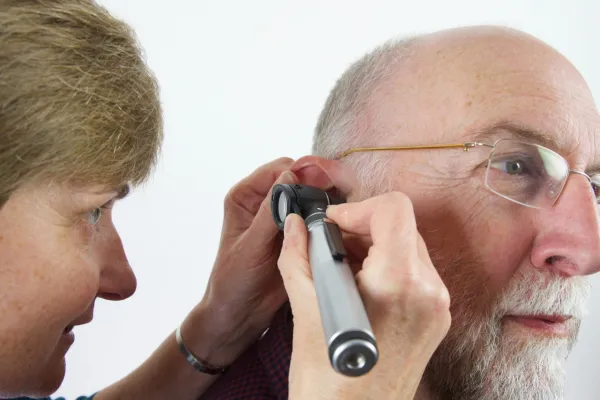
Tympa ear wax removal is a more modern approach. It commonly includes the use of a specialised endoscopic device that provides a clear view of the ear canal and eardrum, allowing for precise removal of ear wax with specialized instruments.
Pros of Tympa Ear Wax Removal:
Precision: The endoscopic view allows for highly accurate removal, decreasing the risk of incomplete extraction or damage to the ear canal.
Safer for sensitive ears: Less water is used, which can be better for people with sensitive ears or a history of ear infections.
Effective for stubborn wax: Because the practitioner can see and work directly on the wax, this method can be more effective for hardened or impacted wax.
Diagnostic advantage: The clear view can also help practitioners identify any underlying issues such as ear canal infections or eardrum damage.
Cons of Tympa Ear Wax Removal:
Availability: This method may not be as widely available in some areas as traditional ear irrigation.
Cost: The specialized equipment and skill required might make it a slightly more expensive option than water-jet irrigation.
Both methods of ear wax removal have their own set of benefits that can cater to different needs and preferences. When considering ear wax removal:
Evaluate your personal health history.
Consider your comfort level with each method.
Discuss with a healthcare professional about which method is advisable for you, especially if you have a condition that affects your ears.
In the comparison between Tympa ear wax removal and the water-jet technique, Tympa may be the clear winner for precision and safety. But remember, the best option is the one that suits your specific situation and is recommended by a professional who has assessed your ear health. Keep your ears healthy by consulting with an expert and choosing the ear wax removal method that’s right for you.